Ophthalmology
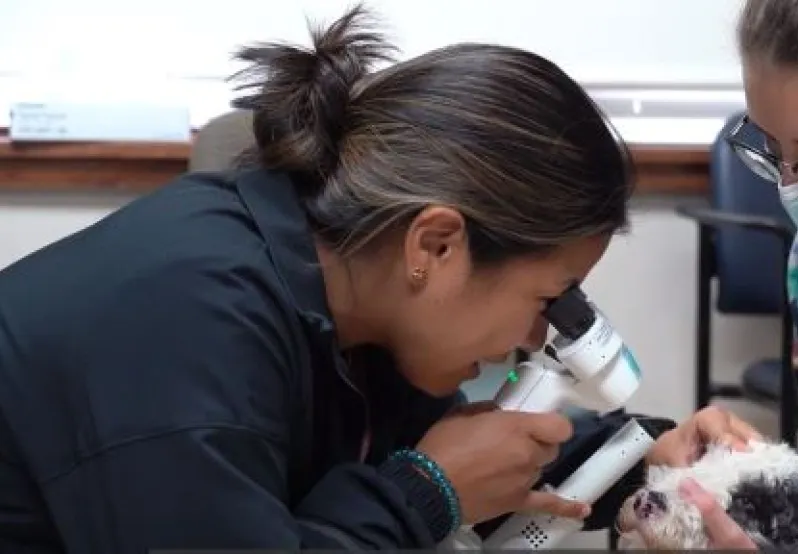
The Comparative Ophthalmology service at the Ohio State University Veterinary Medical Center offers comprehensive care for companion animals (dogs, cats) and horses with eye abnormalities and conditions. Dogs and cats can be examined at either of our two locations - on campus or at our Dublin facility. All equine patients are seen within our Galbreath Equine Center, located on campus.
All members of our service strive to provide exceptional patient care and service to our clients and referring veterinarians. We also aim to provide an excellent clinical learning experience for our future veterinary colleagues.
In this section
Hours & Appointment Scheduling
Our Ophthalmology Department sees patients by appointment only.
The Ophthalmology liaison is available to answer your questions or schedule an appointment for our Columbus campus or Dublin location Monday – Friday*, 8:00 am – 4:30 pm and may be reached at (614) 247-0694 or osuvet.ophthalmology@osu.edu.
We have two convenient locations to serve you: Columbus and Dublin. For those who prefer not to travel to our Columbus campus location for initial examinations or recheck appointments, our Dublin location may be a convenient option. If surgery is needed for your, it can only be performed at our Columbus campus location.
If you would like your pet to be seen by one of our specialists, please have your primary care veterinarian submit a referral through our rVetLink Referral Portal. Instructions on how to submit a referral through our portal can be found in the “Referring Veterinarians” section. Once we receive the referral, our liaison will contact you to schedule an appointment.
If your pet is experiencing a medical emergency please contact your primary care veterinarian, the nearest emergency veterinarian hospital or visit our Emergency Department 24 hours a day, 7 days a week.
* The office is closed daily for lunch from 1:00 to 1:30 pm. If you reach us during this time, please leave a detailed voicemail and your call will be returned. For emergency assistance, call (614) 292-3551. The Ophthalmology department is closed in observance of all federal holidays.
Common Conditions
-
Dry eye (KCS)
-
Cataracts
-
Retinal degeneration
-
Eyelid disorders
-
Glaucoma
-
Corneal ulceration
-
Ocular trauma
-
Equine recurrent uveitis
-
Equine corneal disease
-
Equine Ocular Tumors
Service Highlights
The Comparative Ophthalmology service team is comprised of three, board-certified veterinary ophthalmologists, four residents specializing in veterinary ophthalmology, and a nursing and patient care team made up of registered veterinary technicians and veterinary assistants. Service specialties include cataract extraction, artificial lens implantation, corneal or glaucoma surgery, laser surgery (including endolaser) and clinical trials.
Common Procedures (Campus location only)
-
Retinopexy for retinal detachment
-
Eyelid reconstructive procedures for entropion, eyelid tumors, etc.
-
Glaucoma medical and surgical treatment
-
Medical and surgical treatment of corneal ulceration
-
Suprachoroidal cyclosporine implantation for treatment of equine recurrent uveitis
-
Subconjunctival cyclosporine implantation for treatment of equine immune-mediated keratitis
-
Equine ocular tumor excision, radiation and chemotherapy
Special Equipment & Technology
-
Ophthalmic laser, including endolaser
-
Operating microscope
-
Phacoemulsification
-
Advanced microsurgical techniques
-
CT scan and MRI
-
High resolution ultrasound
-
Electrodiagnostic testing
What to Expect
One of our senior veterinary students will take a complete patient history and give your pet an initial ophthalmic examination under the supervision of a licensed ophthalmologist. As a matter of policy, you will be asked to return to the lobby during the examination. One of our ophthalmologists will then examine your pet and perform any additional tests required. It is often necessary to administer eye drops to dilate your pet’s pupils and allow better visualization of the inner structures of the eye. It takes 15 minutes for these drops to work and their effect lasts 3-4 hours hours. Please allow 1-2 hours for an initial examination if your pet is a new patient to our hospital. After the examination, the ophthalmologist will speak to you about diagnosis and treatment options.
After registering at the front reception desk, one of our veterinary technicians will take you and your pet to a consultation room for a complete patient history and to perform the initial ophthalmic tests in preparation for a thorough examination by one of our clinicians. It is often necessary to administer eye drops to dilate your pet's pupils and allow better visualization of the inner structures of the eye. It takes approximately 15 minutes for these drops to work and their effect lasts 3-4 hours.
Once the dilation has occurred, one of our veterinary ophthalmologists (either a faculty member or resident) will then complete the examination of your pet and perform any additional tests required. Please allow 45 minutes to 1 hour for an initial examination if your pet is a new patient to our hospital. After examination, the ophthalmologist will speak with you about diagnosis and treatment options.
Took great care of my dog, Jax! If it wasn't for the staff's quick actions, he would be blind today.
Care Team
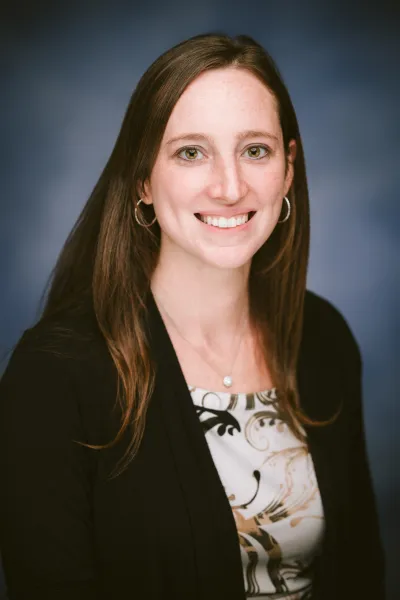
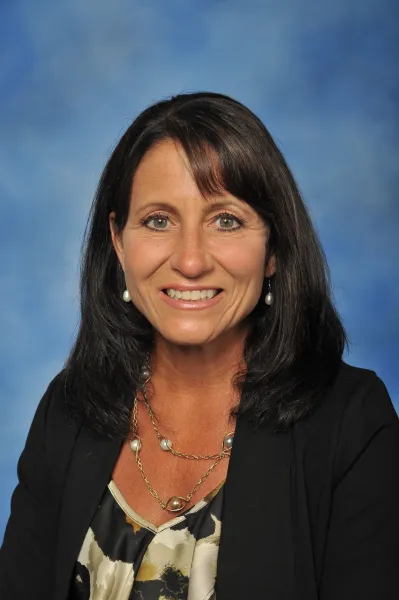
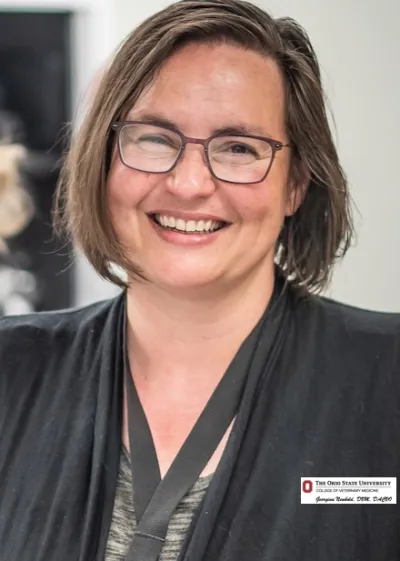
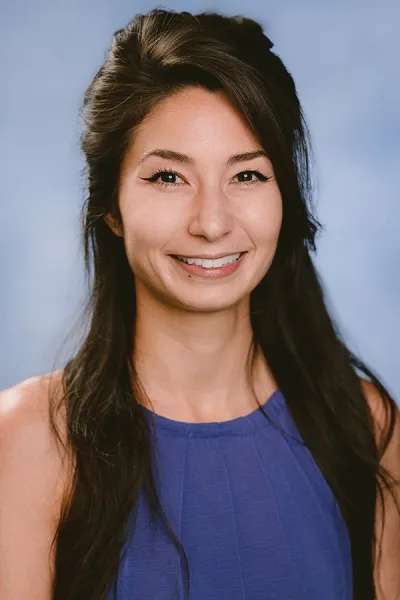
Christine Boles
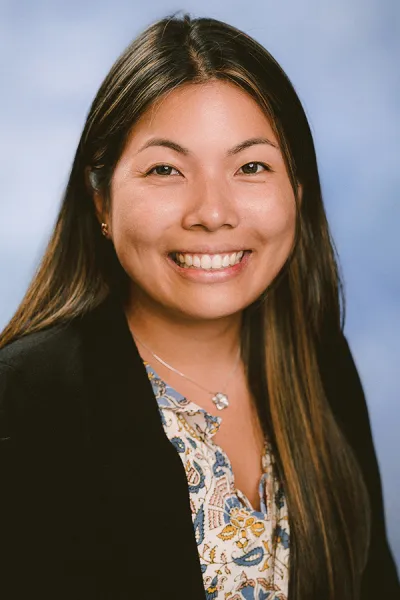
Sami Dacanay-Defebo
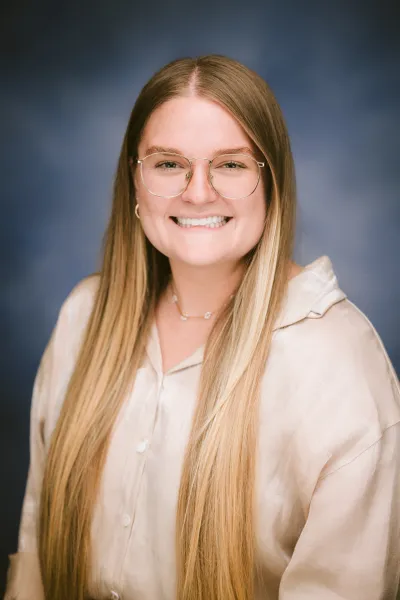
Abby Hickox
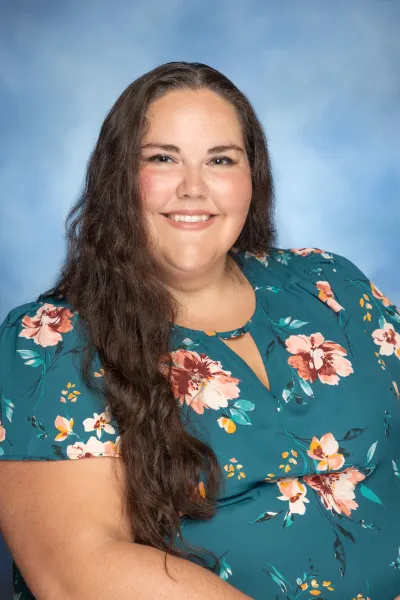
Sarah Hoke
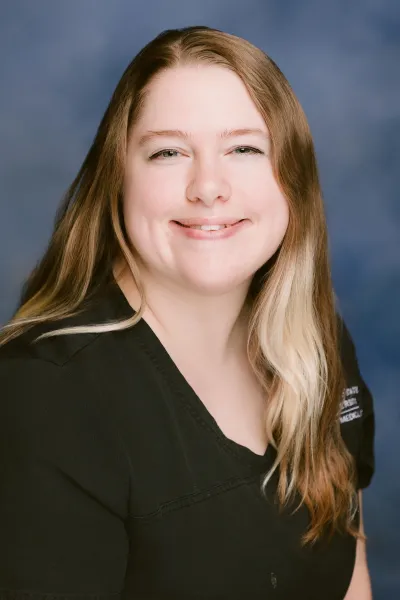
Morgan Carney
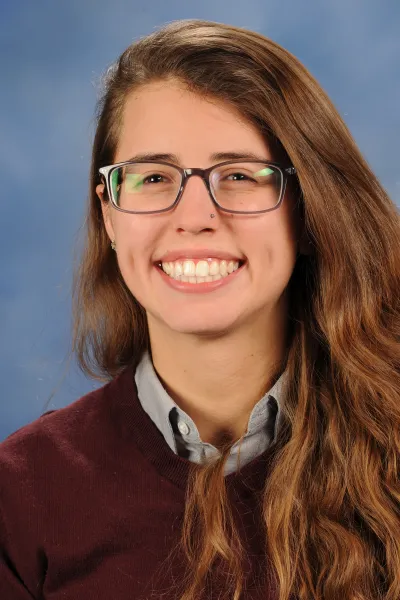
Shelby Moorehead
Clinical Trials
The Comparative Ophthalmology service is often recruiting patients for related studies for which your pet may be eligible. If you have any questions regarding your pet's eligibility, please contact the Blue Buffalo Clinical Trials Office (cvm-clinicaltrials@osu.edu).
For a listing of current trials please click here.